

In today’s fast-evolving recruitment landscape, staying ahead means understanding the nuances of staffing solutions and hiring trends. Even when there’s no unused keyword available, leveraging deep insights and strategic frameworks can optimize your recruitment process effectively. I’m here to guide you through the latest workforce solutions and recruitment best practices tailored for 2026 and beyond.

Advancing Recruitment Strategies and Hiring Trends for 2026
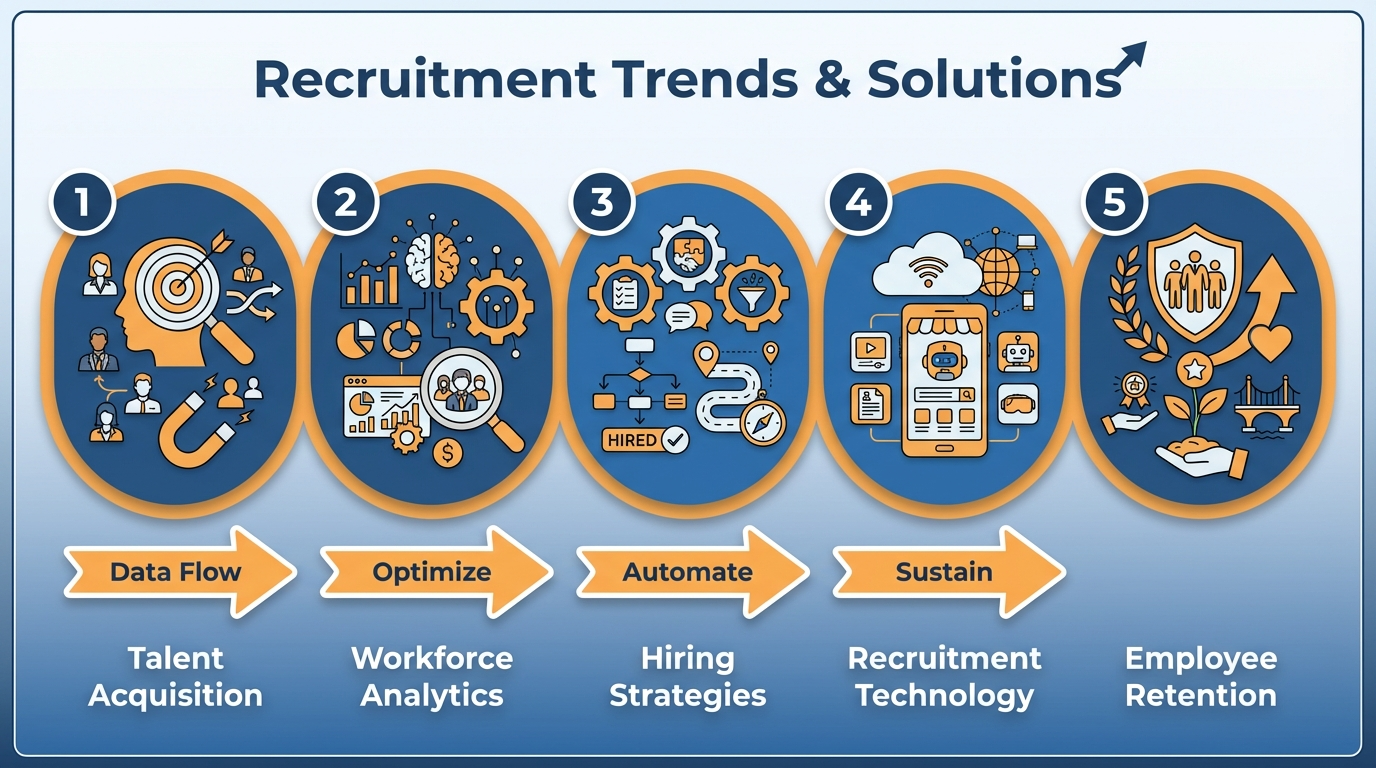
Recruitment in 2026 demands agility and data-driven decision-making. Companies focusing on talent acquisition are increasingly adopting workforce analytics and hiring optimization techniques. This helps them reduce time-to-hire and improve candidate quality.
Successful recruitment strategies include integrating recruitment marketing with traditional staffing solutions. For example, employers use targeted campaigns to attract niche talent while leveraging recruitment technology for automated screening.
Recent studies show that 76% of HR professionals plan to increase investments in recruitment technology this year. Organizations that pair these tools with strong recruitment partnerships and consultancy services see better employee retention and faster placements.
Deep Dive: Recruitment Process Optimization and Workforce Solutions
Optimizing your recruitment process starts with mapping clear workflows to streamline candidate sourcing, interviewing, and onboarding. Embracing agile hiring methods means adapting quickly to changing business demands.
Workforce planning tools now combine recruitment analytics and workforce development insights. These help predict hiring needs, align recruitment with company growth, and mitigate risks associated with attrition or skills gaps.
Frameworks like the use of Applicant Tracking Systems (ATS) integrated with AI-driven candidate scoring are becoming the norm. This blend of human expertise and technology enhances recruitment best practices and creates competitive advantages.

Leveraging Recruitment Technology and Analytics for Talent Acquisition
Advanced recruitment technology is revolutionizing hiring by enabling data-driven recruitment decisions. Tools for recruitment process optimization now include predictive analytics and AI-powered talent sourcing.
Companies using workforce analytics can identify trends like hiring bottlenecks or high-performing recruitment channels. These insights inform smarter budgeting and resource allocation.
Furthermore, recruitment services are expanding toward including contract staffing, temporary staffing, and executive search within technologically enhanced workflows. This integration increases efficiency and enhances candidate quality.
Conclusion: Best Practices and Actionable Hiring Optimization Tips
Effective recruitment in 2026 means combining innovation with proven methodologies. Focus on continuous improvement through recruitment analytics and workforce development strategies. Optimize your hiring with expert consultancy and recruitment marketing to attract the right talent.
Remember to adapt your processes regularly, foster strong recruitment partnerships, and leverage technology. I encourage you to explore our guide on
For deeper technical insights on process automation and error reduction in digital workflows, the ESLint no-unused-vars rule offers helpful guidance at this resource.