

In 2026, employer branding remains a critical factor in winning the competition for top talent. Companies that invest strategically in their brand as an employer not only attract better candidates but also enhance employee engagement and retention. I’ll guide you through the latest trends, proven strategies, and data-driven tactics that can elevate your hiring success this year.

Understanding Employer Branding in 2026
Employer branding in 2026 goes beyond a polished career page or perks listing. It’s about cultivating a genuine reputation as a workplace where talent thrives. Recent studies show that 75% of job seekers research a company’s brand before applying. This means your recruitment success heavily depends on how your workforce is perceived in the market.
At leading recruitment conferences this year, experts emphasized integrating workforce branding with overall corporate identity. This creates authentic stories that resonate with candidates. The emphasis is also on diversity, equity, and inclusion as non-negotiable branding pillars.
Effective Employer Branding Strategies and Examples
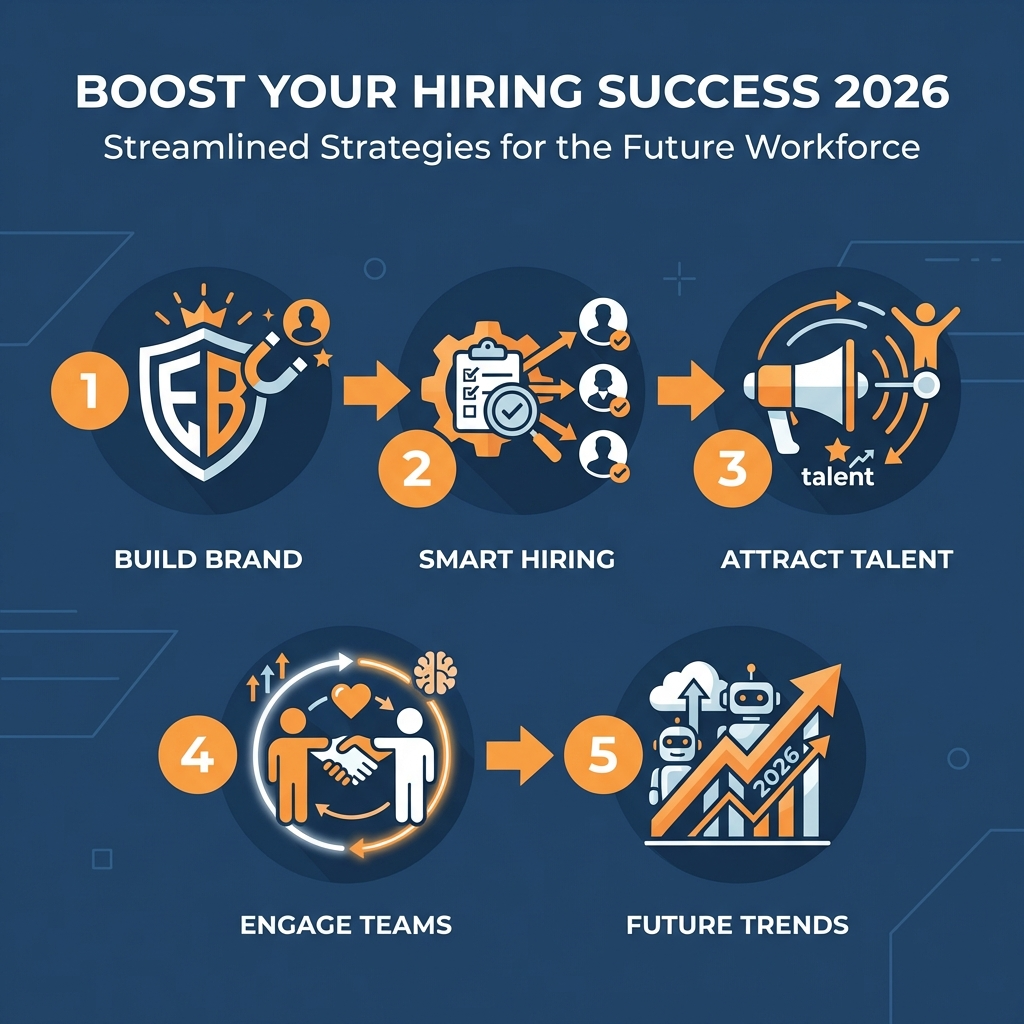
To build a powerful employer brand, I recommend a multi-channel approach focusing on the candidate experience at every step. This includes:
- Authentic employee testimonials and user-generated content on social media
- Transparent messaging about company values and culture
- Academic partnerships and internship branding to engage emerging talent
- Showcasing career growth pathways and learning opportunities
Companies like Microsoft and Salesforce have set benchmarks by implementing these strategies successfully. Their brands portray a commitment to purpose-driven work and continuous development. These real-world examples highlight how clarity and sincerity in your messaging drive better talent attraction.

Leveraging AI and Data-Driven Employer Branding Approaches
The integration of AI and advanced analytics in employer branding is a game-changer for 2026. Recruiters can now use sentiment analysis tools to monitor brand perception across platforms in real-time. Predictive data models help identify which employer branding messages resonate best with specific talent segments.
Automation aids in personalizing candidate communications and scaling employer branding campaigns efficiently. For instance, chatbots can showcase your employer value proposition 24/7 while collecting feedback to refine recruitment strategies continually.

Best Practices and Takeaways for Employer Branding Success in 2026
To thrive in the evolving talent market, remember these hiring best practices:
- Align your employer branding with authentic employee experiences
- Use data insights to continuously optimize recruitment messaging
- Invest in diversity and inclusion storytelling as core brand values
- Leverage technology to engage candidates at scale while maintaining personalization
- Collaborate closely with staffing partners to amplify your outreach
Developing a compelling employer brand is a journey that pays off through higher quality hires and improved retention. For detailed case studies and recruitment marketing insights, explore our related content on effective employer branding.
For further reading on innovative employer branding concepts, I suggest checking external expert resources such as this comprehensive guide from Sage on employer branding.